
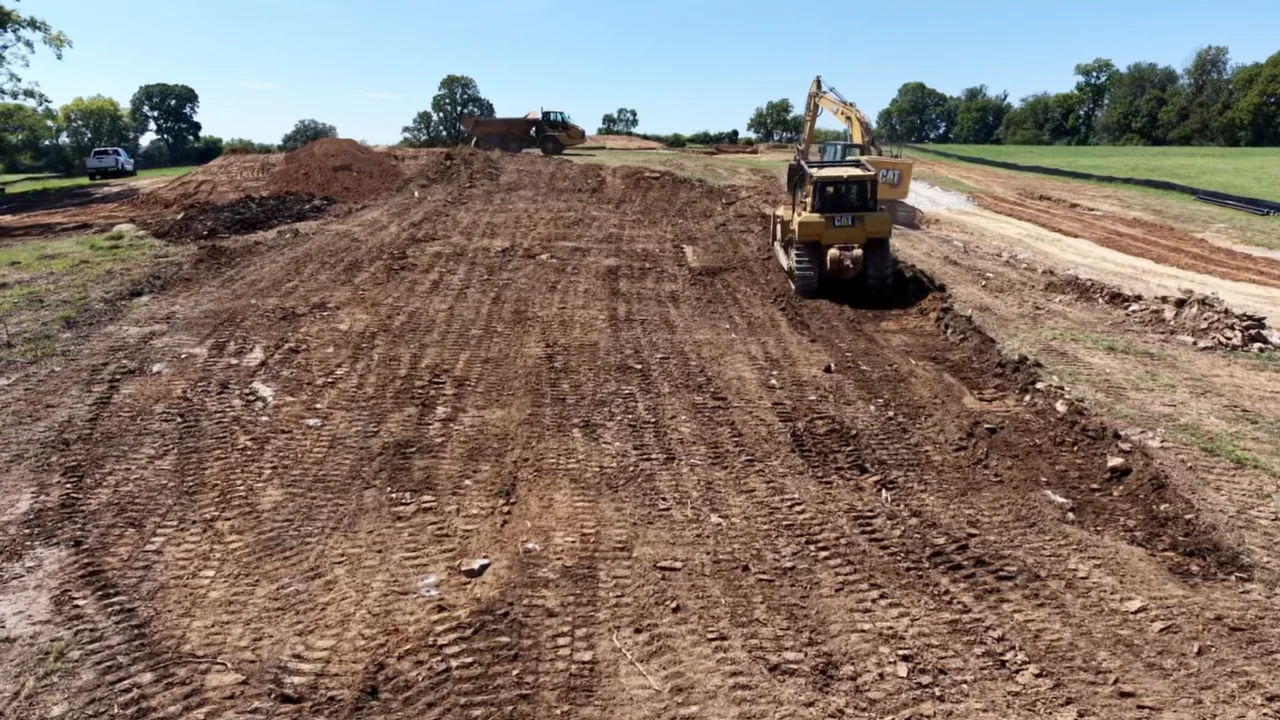
Excavator and load truck working in a graded area.

SitePro services

Sitework in Franklin, Arrington, and Williamson County, Tennessee

Sitework connects grading, excavation, and ground preparation with the next stage of your project.

Discuss your project

Sitework / Planning the work

Your project

What does your site need?

Tell us what is on the site today and what is planned next. A site plan, access details, and the expected sequence of work help us understand the preparation involved.

Helpful details

  1. 01What stage is the project in now?
  2. 02What work is expected to follow the site preparation?
  3. 03What should we know about the site layout, access, or current conditions?

Plans or current photos can help explain the site. Get started with a few details.

Sitework is one of four SitePro services. SitePro is a sister company of Petersen & Sons of Arrington, Tennessee. SitePro serves Franklin, Arrington, and Williamson County, Tennessee.

Discuss sitework

Sitework in depth

How sitework works.

What sitework means

Sitework is the preparation of the whole site, not one spot on it. It takes a piece of ground as it is and brings it to the point where the next trade can start: the work areas shaped, the material moved and compacted, the surfaces at the right levels, and water going where it should.

Grading and excavation are parts of it. Sitework is the word for connecting them across the site and sequencing them so that the ground is ready when the project needs it.

Where sitework fits in a project

Sitework comes before the things people notice. Before a foundation is formed, the ground under it is cut, filled, and compacted. Before anything is built, the areas around it are shaped so equipment can reach them and water drains away. Done in the right order, the trades that follow start on a site that is ready for them.

That is why the request asks what stage the project is in now and what work is expected to follow. The answer sets the sequence.

The pieces of site preparation

Site preparation is a set of related steps rather than a single task. On a typical site they include:

  • Rough grading to establish levels, slopes, and the general shape of the site.
  • Excavation where the plan calls for material to come out, and fill where it needs to go in.
  • Compaction in controlled lifts so placed material holds its grade and carries the load above it.
  • Access and working areas shaped so equipment and deliveries can reach the work.
  • Drainage set into the grade, so water leaves the site the way the plan intends.
  • Finish grading of the surfaces the next trade will build on.

Equipment and material on a sitework job

Sitework is often the largest piece of earthwork on a project, so the equipment is chosen for volume. A tractor-pulled scraper cuts and spreads across large areas. Excavators and load trucks handle the deeper work and the hauling. Where the ground produces rock, screening and crushing turn it into material the site can use instead of a disposal problem. A compaction roller finishes each lift.

Sitework and the foundation that follows

When the next stage is concrete, the handoff matters. The pad has to be at the right elevation, compacted, and shaped so forms can go up and water stays out. SitePro’s sister company, Petersen & Sons, has been a concrete and foundation contractor in Arrington, Tennessee since 2002, so the ground work and the foundation can be discussed together when you describe your project.

Where we work

SitePro serves Franklin, Arrington, and Williamson County, Tennessee. Tell us where the site is in your request, and our office will follow up.

Questions

Common questions about sitework.

What is included in site preparation?

Whatever the ground needs before the next trade can start: rough grading, excavation and fill, compaction, access and working areas, drainage set into the grade, and finish grading of the surfaces that will be built on. The request review confirms which of those your site needs.

When should sitework happen in a project?

Before foundations, slabs, and structures, and after the plan for the site is clear enough to set levels. Telling us what stage the project is in now, and what follows, lets the office place the work in the right order.

How is sitework different from grading?

Grading shapes the surface. Sitework is the broader preparation of the whole site, which includes grading along with excavation, fill, compaction, access, and drainage, sequenced together.

Can SitePro and Petersen & Sons work on the same project?

They are sister companies, so a project that moves from ground work to concrete or a foundation can be described once and reviewed as a whole. Note the next stage in your request.

What details help with a sitework request?

The stage the project is in, what work is expected to follow, and anything about the layout, access, or current conditions the office should understand. A site plan, if one exists, is the most useful single document.

What does compaction have to do with sitework?

Everything placed on a site has to stay where it was put. Fill compacted in controlled lifts holds its grade and supports the load above it; loose fill settles. Compaction is built into the sequence rather than added at the end.

Is a request a quote?

No. A request tells our office where the work is and what you have in mind. The office reviews it and follows up with you; any quote or commitment comes after that conversation.

Discuss sitework